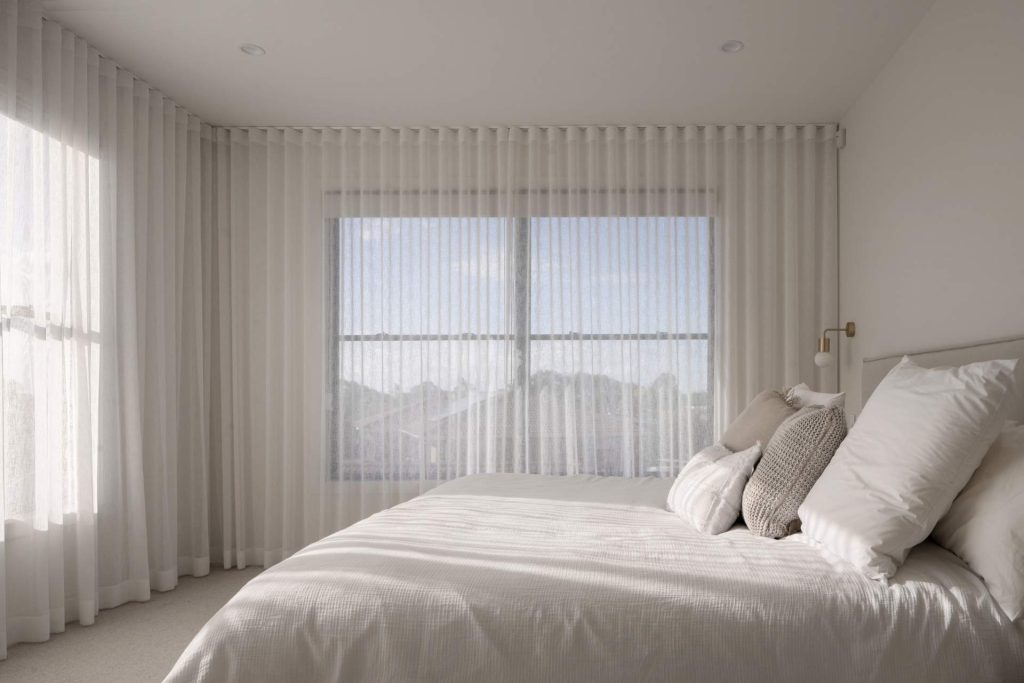
The best comfort is not an inactive environment. It is an atmosphere that is created and weaved by sound, texture, light, touch, and harmony. Upholstery and curtains are two of the largest textile surfaces that contribute to creating this atmosphere. Selecting these fabrics in isolation is a frequent mistake leading to sensory dissonance--a room that looks composed but feels uneasy. This guide suggests mixing upholstery fabrics with custom curtains creates a unified, multi-layered sensory field. This is an intentional effort to invest in comfort layers that go beyond colour matching. The guide will explore the ten nuanced, crucial considerations that drive this combination. Utilizing the strengths of fabric stores throughout the West Midlands, we can create a product that is cohesive, durable and incredibly comforting.
The Top 10 Things You Need to Be aware of:
1. The Dialog of Textural and Hierarchy From the Fingertips to the Floors.
Comfort is not first seen or felt, but rather experienced. To start, you must establish an interactive textural dialog between two fabric. It is best to employ contrast within a coherent language. To create a sense of calm, pair rustic linen upholstery fabrics (tactile, inviting) with velvet or heavyweight wool curtains. If you're using a tight-weave elegant chenille, curtains that have a physical dimension are required. It could be a rougher herringbone fabric or silk with a slubbed texture. You can feel this dialogue by rubbing the swatches fabric between your fingertips in the carefully-curated boutiques of Lichfield. Avoid pairings of two slick materials (e.g. Sateen and leather) which can create an unwelcoming atmosphere.
2. The Acoustic Engineering Duet The Acoustic Engineering Duet: Softening Sound With Strategic Layering.
The most important acoustic panel within a room is thick curtains and upholstered furniture. Consider their pairing to dampen sound. A plush upholstery material like high-pile Velvet is able to block the mid- and high-frequency frequencies (voices, the clatter). Mix the dense interlined curtain fabrics, like felt wool fabric or a triple-weaved woven cotton, with it to block out noises and absorb lower frequencies. This creates a tranquil, peaceful environment. Birmingham's industrial fabric shops that are well-known for providing offices and hotels with fabric upholstery for contract and can provide technical information about noise absorption (NRC numbers). This can help you to create a more streamlined way to relax at home.
3. The Light Life Analysis What will each Fabric do to age in the path of the Sun
It is a practical way to ensure longevity. Track the sun's path across your area. A sofa or chair that is in the direct glare needs an upholstery fabric that has exceptional UV stability (often identified by a higher Martindale rub count and dyed solution fibres that are available from Birmingham's contract suppliers). Curtains that are used for the same windows should be lined, no matter which fabric is chosen for the front, by UV-protective, coated blackout curtain. If you are looking for a room that is north-facing and has gentle light, you can pick a more fugitive stunning silk or soft wool for both of them, possibly from the Lichfield's collection of natural fibres. Combining sun-resistant upholstery and silk curtains that are not lined in a bright space is a costly investment that will quickly degrade.
4. The "Maintenance Rhythm", Synchronisation is a Harmonious Maintenance Schedule.
The requirements for your fabric's care should match. It's a disaster for comfort to have a sofa covered in a delicate dry-clean only linen-like fabric, paired with machine-washable cotton curtains. If one fabric requires professional cleaning and another is machine washable the result is an imbalance in wear, freshness and price. Try to achieve uniformity. In the case of family homes, this often means selecting high-end, crypton-style upholstery fabric (found in Walsall's shops for practical products) paired with durable curtains that wash easily, such as canvas or treated cottons, establishing a low-stress easy to clean and tidy space.
5. The Curtain and Weight Equilibrium The Weight and Curtain Equilibrium: Physical and Visual Balance in Space
The weight of your curtains will affect the perception of the space. Curtains should be of a long, well pleated and constructed from the most heavy fabrics like brocade, wooly or a leather that has a strong hand. A lighter, leggier mid-century sofa in a crisp cotton calls for curtains that have a more light drape - a linen blend or heavy voile--that can puddle or float. An imbalance in this equilibrium (heavy furniture and cheap drapes, or reverse) could make the space appear uneven.
6. The Discussion on Scales and Patterns It's not monologue However, Dialogue.
For pairing patterns, it is necessary to make use of the same visual language but at a different volume. If your upholstery fabric is a large, bold flower (a statement), the curtain fabric should speak softly. A small geometric pattern would be perfect or maybe an unidirectional solid weave. It also works similarly: a solid-textured sofa allows you to put an elongated pattern on your curtains. Always avoid two loud patterns that clash. The Walsall fabric stores have an array of traditional patterns for small-scale curtains that can be used to support.
7. The Local Ecosystem for Co-ordination using One Shop's Eye to Unify the Plan.
Lichfield's specialty stores are the best in the business. Instead of buying upholstery fabrics in one city, and curtain fabric in another, you can get the color and texture from one shop that has a carefully selected selection. The sample books of these mills usually contain coordinated collections made in upholstery and dress weights as well, and furnishing weights. A skilled person can ensure that the undertones in grey and beige are identical. It is almost impossible when you purchase from various, differently lit locations. This gives a smooth aesthetic that is professional.
8. The Investment Apportionment Plan: Where To Splurge And Where to save.
True comfort investment is strategic. Your budget should be allocated where it will most impact the wear and satisfaction. Making the investment in a durable upholstery fabric (for durability and use in everyday life) is one method to achieve this. Curtain fabric can be more cost-effective or creative. It is possible to purchase a sumptuous, wear-resistant velvet for the sofa from an Birmingham specialist, and source a less expensive, texturally interesting heavy cotton for the curtains from Walsall, using the savings on a premium interlining and skilled making-up. The curtain's luxury comes not solely from the fabric but also its design.
9. The Psychological Setting of Tone Fabric Combinations that evoke specific feelings.
Think about the emotional atmosphere you want to create. To create a calming, cocooning library or bedroom mix matte fabric in deep shades: suede-cloth furniture and matte velvet drapes. This combination absorbs light and sound for an incredibly calm environment. To create a light fresh, airy sunroom, combine a crisp and textural fabrics: a cotton tickling or ducking on the seating, along with a linen curtain that absorbs light and is breathable. This deliberate pairing moves beyond aesthetics to the realm of environmental psychology, using fabrics to define the room's temperature.
10. The Future-Proofing Through Timeless Neutrals And Changeable Layers
Custom-designed curtains are an excellent investment. They are easily and cheaply changed. The curtains will be the primary factor, regardless of whether it's determined by mood or seasonality. Your armchairs or sofas will remain the same over decades, but you are able to alter your curtains to reflect changing trends and tastes. This approach makes the curtain a renewable component in your interior ecosystem, which makes the initial combination an exercise in creating a flexible, adaptable and durable framework for comfort. Follow the recommended dress fabric for more info including curtain fabric online, window blinds, made to measure blinds, curtain in house, curtain store, window blinds and curtains, curtains on a window, curtains & fabrics, custom window blinds, curtain on the window and more.

Curtain Fabric 101: The Essential Questions To Ask At Any Fabric Shop
The fabric stores can be a symphony of sensory delights regardless of whether you're in a busy Birmingham market hall or in a practical Walsall home shop or an expertly curated Lichfield shop. Asking the right questions can be the difference between finding the perfect fabric for curtains that are custom-made or making an expensive mistake. Common questions result in generic, and sometimes unhelpful answers. This guide will provide you with ten essential technical questions that will transform your experience from a passive browse into a consultation. These questions will help you cut through the sales pitch to discover the essence and qualities of the material, and draw on the knowledge specific to different stores.
Detailed Top 10 Things to Be aware of:
1. "What is the fabric's fibre composition and the specific weave name?"
Never take the stance that "it has a linen appearance" or "it is a blend of cotton." Ask for specifics. Is it 100% flax linen, a linen-viscose mix (softer, less wrinkly), or a polyester with a linen effect? The name of the weave -- damask, twill, sateen, ottoman--tells you about its structure, durability, and light reflection. Birmingham trade counters will be able to identify this right away from the roll's tally tickets. In Lichfield the trade counters could provide the origins of a particular Belgian linen union. These are the most crucial information that can affect care, drape and durability more than the color.
2. "What is the width of the fabric? Is it able to be railroaded for my project?"
Assuming all curtain fabric is at 137cm (54") broad is a critical error. Some are 150cm; others are at 115cm. The width directly impacts the calculation of metreage and seam planning. In the next step, you should inquire about "railroading"--can the pattern run in a horizontal direction along the bolt? This will allow you to make seamless drops for windows with large openings by cutting the curtain length from the length of the fabric. If you run a shop in Walsall and you are being asked this question It is likely that you will get many answers. However, a contract supplier from Birmingham is aware of the significance when it comes to large windows for commercial projects or domestic ones.
3. "What pattern repeats, and does it appear like a straight or dropped fit?"
This question separates the casual from the serious. It is crucial to understand the repeat pattern (e.g. a 24cm repeat) when calculating yardage. But crucially, you must determine if the match is an "straight" or "dropped" match. Straight matches are placed horizontally across the length. A dropped match (or half-dropped match) can be arranged like bricks, and requires more fabric in order to ensure that panels are aligned seamlessly. An assistant in Lichfield will demonstrate this using the help of a bolt. If you don't ask, it could result in buying 20% less fabric than needed to make custom-designed curtains.
4. Do you have a copy or cut that I can see in my room in the sunlight for the duration of 24 hours?
Fabric choices are often revealed by the colour transformations under various lighting conditions. The colour of a gold fabric under fluorescent lights in a shop can be changed to a shade of mustard in daylight. Every reputable store, regardless of whether they're an Birmingham street stall, or a Lichfield boutique, must offer the buyer a large (at least A4 size) cutting. Be wary of any shop that will not offer you anything more than a postage swatch. This test should be carried out on custom-made curtains, where the quality of the colours in situ will determine whether or not they are worth the investment.
5. What is the intended use of this fabric? Light-use, heavy domestic or contract?
This frames your need in terms of the industry. The word "heavy domestic" is a reference to a product which can withstand the daily demands in the living room of the family. "Contract" grade (found in Birmingham warehouses) is extremely durable and typically has specific fire ratings for public spaces. It is a way to show the seller how well you are aware of the performance requirements by asking. This will also keep them from proposing delicate patio door fabrics or light voiles which is a frequent error in fabric shops.
6. How might the fabric alter when cleaned?
The answer "dry-clean only" is simply lazy. Press for detail. The steam cleaner can be used in-place to remove dirt? Water spots will they occur? What's most important is to determine how the fabric ages with cleaning. Will linen soften beautifully? Do the colors of a cotton print fade after the first wash? Do sateen surfaces lose its shine over time? A specialist in an Walsall shop could be focusing on the long-term durability of wipe-clean surfaces. On the other hand, the one located in Lichfield will examine the patinas and colors of natural fibers.
7. Can you recommend a compatible interlining and lining? Do you stock these items?"
The fabric used for the face only has one layer. A quality shop looks at the entire project. This test shows their technical competence and if they're a complete resource. They can provide guidance on the type of lining suitable for your natural fibres (cotton sateen), blackout linings for bedrooms and the weight of bump interlining (cotton or synthetic). Birmingham's trade store has a variety of options; Walsall may only have a good option. Lichfield might order premium options.
8. Do you have any recommendations for local curtain makers who make custom curtains?
This question is a key to unlocking the local ecology. Their answer will be revealing, even if you are planning a DIY project. Businesses with long-standing and strong relationships with curtain makers are more likely to achieve positive results. You are unlikely to get an item that isn't suitable for making up. In Birmingham the owner may have a good idea of a workshop that can be used for industrial use; in Lichfield an experienced small-scale artisan, and in Walsall high-quality service. This network is the secret advantage of any fabric shop.
9. What does this fabric do in terms of UV protection and light filtering?
Ask more than "is it thick?" Find out how it modulates light. Does it diffuse light gently, produce warm glows, or completely block? It is essential to inquire whether it has UV resistance. The sunlight will cause fibres to weaken and fade dyes. Certain fabrics are equipped with ultraviolet-blocking agents. For a southern-facing window the answer to this question is essential. The technical data required for this will be supplied by a Birmingham company that specializes in hospitality-related projects. The information you receive to help you decide on the fabric as well as your expectations about how it will appear in five years' time.
10. Can you provide information on your policies regarding the sale of final products? And if you will keep any leftovers?
This is a logistical question. Once the fabric is cut to metre lengths, this is generally the final purchase. Confirm. The most important thing to do is inquire if they have the "cuttings-file"--a tiny snippet labeled with your name along with the batch-number or code of the product. This is crucial in the event that you require additional fabric. This could be to fix a damaged cushion or make another cushion. This service is offered by a well-organized shop, especially in Lichfield and Birmingham in order to demonstrate that they are not only a retailer but also partners to ensure the long-term development of your idea.